

What is FF&E in Commercial Moving?
What is FF&E in Commercial Moving?
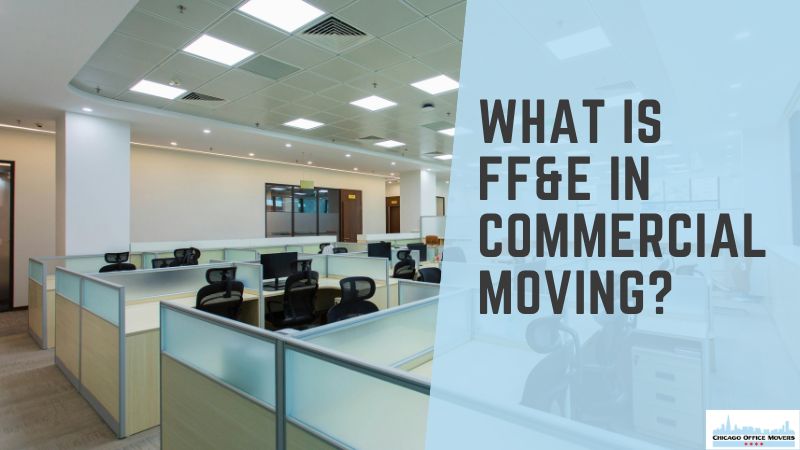
FF&E stands for furniture, fixtures, and equipment, the movable items in a commercial space that are not permanently attached to the building. Because these items can be removed without damaging the structure, they are handled, budgeted, and insured separately during an office relocation. Here's how FF&E works and why it matters to any business planning a commercial move.
Relocating to a new office space requires careful consideration of FF&E. The proper management of FF&E is critical to a smooth business transition. It is also an important part of interior design that impacts the aesthetics, functionality, and customer or personnel experience in the new building.
Whether the business operates as a standalone office, a convenience store, or a retail outlet, the furniture, fixtures, and equipment should not be overlooked during a commercial move. In a retail environment, like a boutique or grocery store, the arrangement of FF&E affects the customer's navigational ease and shopping experience. In an office, FF&E arrangements influence employee productivity and satisfaction. In a restaurant, FF&E is optimized for the intended ambiance.
What are examples of FF&E?
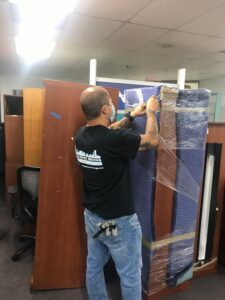
Common examples of FF&E include desks, chairs, conference tables, shelving units, lighting fixtures, signage, computers, printers, phone systems, and artwork. Anything a business could pack up and take to a new location without altering the building qualifies.
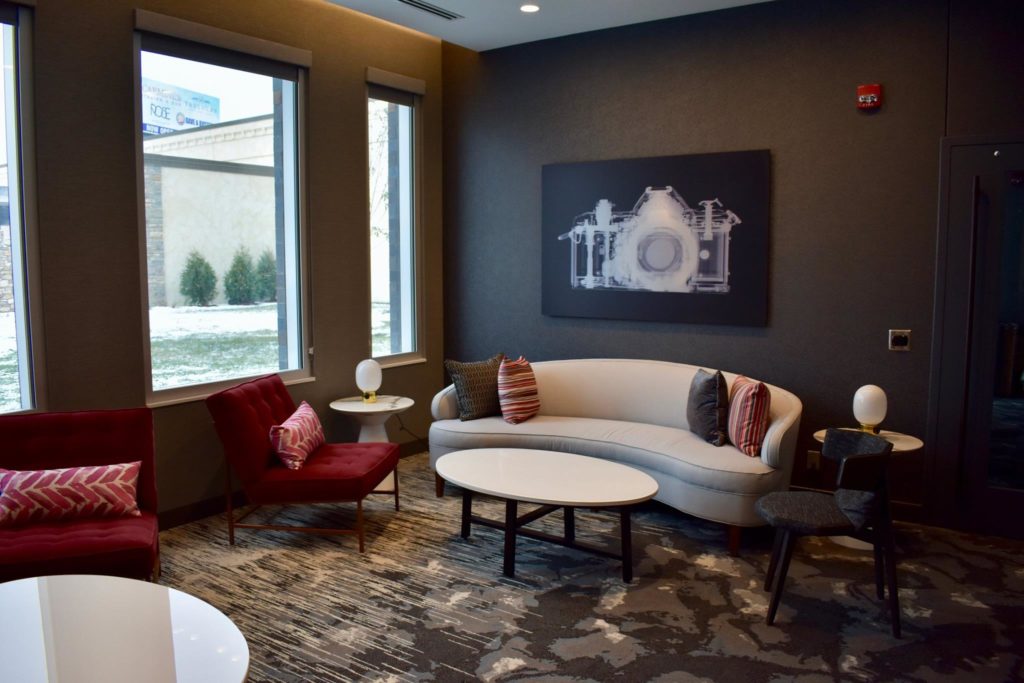
The furniture component of FF&E includes office desks, chairs, and sofas. The conference tables in the meeting rooms, seating in the reception areas, and bookcases lining the manager offices are also considered FF&E. They lend comfort and define the workspace layout.
Fixtures are items attached to the building's interior that can be removed without structural damage such as track lighting, suspended pendants, signage, whiteboards, and shelving units. Whether a specific fixture stays or goes is often spelled out in the lease, which is why fixtures are factored into lease negotiations well before moving day.
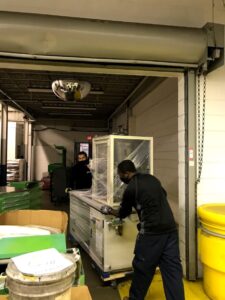
Office equipment is often the highest-value category and includes a range of technologies from computers to printers and copiers. Phone systems, too, are a part of the equipment, and relocating IT equipment requires its own planning to avoid downtime. Manufacturing companies are likely to house industry equipment, such as press machines or injection molding machines.
Paintings and other artwork hung throughout an office are a part of FF&E. Porcelain sculptures lining the office halls, vases in the wall alcoves, rugs, and various decorative objects a company adds to enhance the aesthetics of its building are included as well.
What is not considered FF&E?
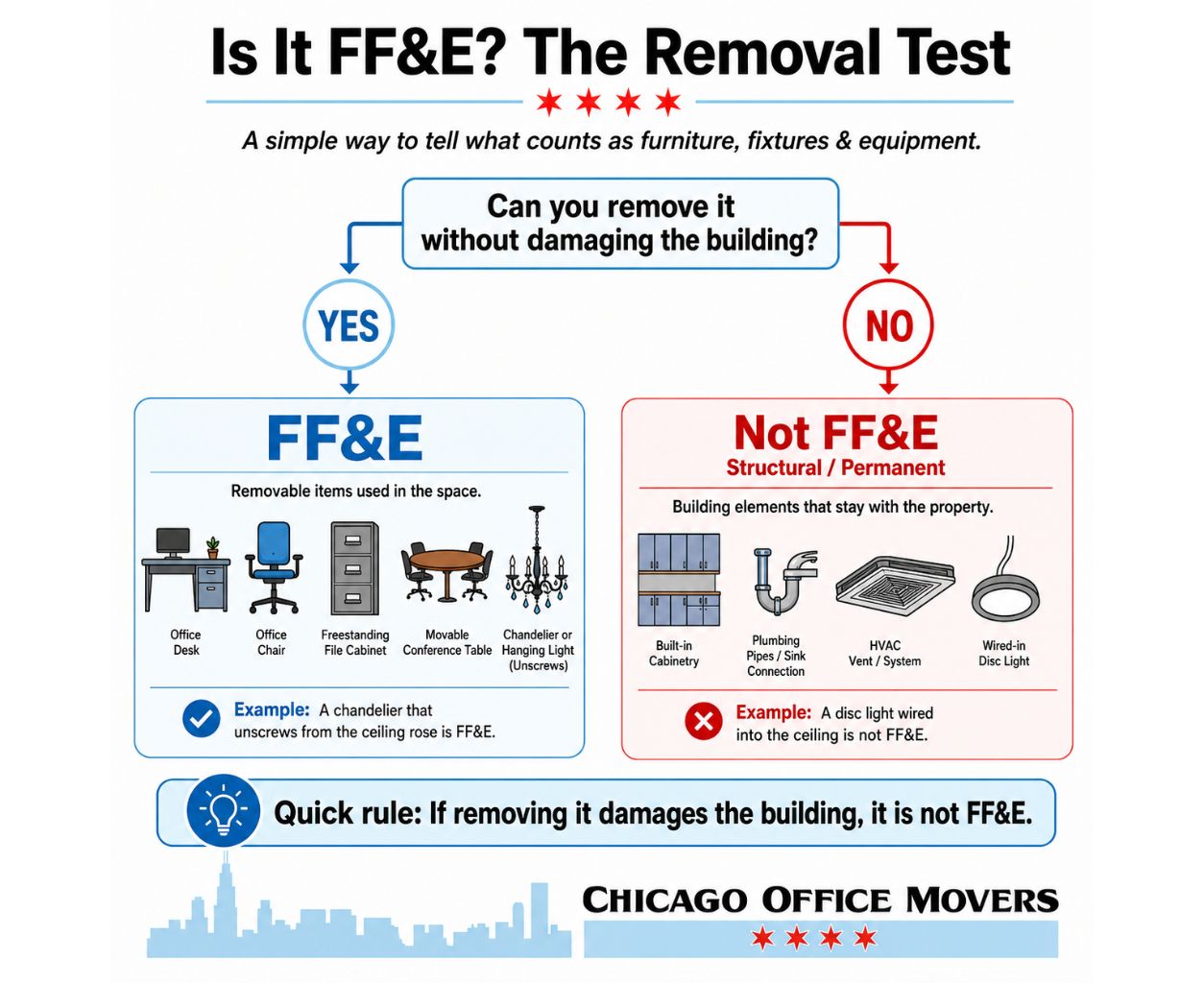
Permanent structural elements are not FF&E. These include plumbing systems, built-in cabinetry, and HVAC systems. Consumable items, like paper, food products, and goods intended for quick disposal, are also excluded.
The simplest test: any item that damages the building structure upon removal is not FF&E. A chandelier that unscrews from the ceiling rose is FF&E. A disc light wired into the ceiling is not. Budgeting, insurance, and project scheduling all rely on this distinction, so businesses should inventory their space with this test in mind before requesting moving estimates.
How does FF&E apply to commercial moving?
A successful company relocation requires extensive planning a commercial move several months before the installation, with thoughtful consideration of FF&E built into that timeline. The ideal plan corresponds with the move timeline and objective. Keeping the project on schedule prevents costly delays and avoids unnecessary complications.
The challenges of an FF&E project differ based on the company's industry. An office might face a deadline tied to the start of the lease as well as employee relocation, while a hotel must factor in ways to minimize guest disruptions.
Commercial moving companies anticipate building and elevator access limitations, delivery constraints, and the sequence of installation during the planning phase. Identifying potential issues early, including weather and traffic conditions that could affect transit, keeps the project on schedule and within budget.
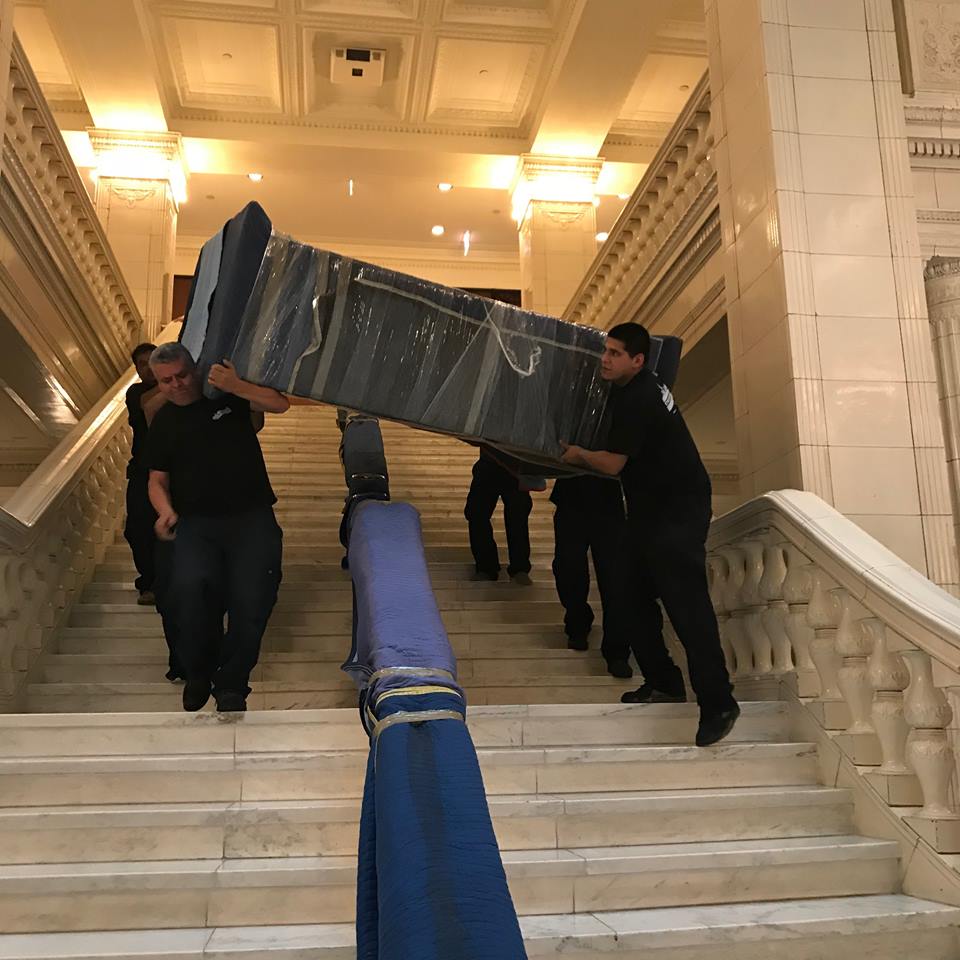
Movers utilize vehicles specifically designed to transport furniture and equipment. Their trucks feature air-ride suspensions that minimize the vibrations and shock that would otherwise damage goods. Lift gates help movers safely load and unload, while padding and securement systems prevent damage during transport.
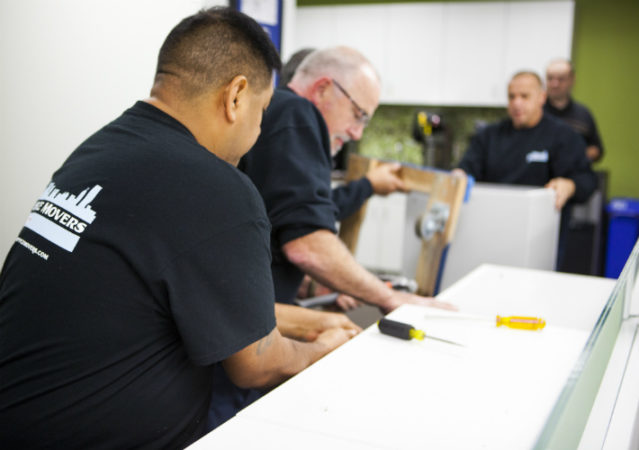
The final phase of FF&E in commercial moving is the installation. Experienced moving crews understand the installation requirements of different furniture types and the techniques specified by various manufacturers. Without a skilled approach, warranties are voided and safety hazards are introduced.
What should relocating businesses seek in an FF&E partner?
An office planning an upcoming relocation should seek an FF&E provider who can meet the project's specific requirements. Review our guide on what to look for in a moving company to determine their level of experience with similar projects, whether they offer storage facilities, and whether they have contingency plans in the event of delays.
Avoid partnering with a commercial mover that cuts costs on important services, such as skilled installation or proper storage. Mistakes like these cause mounting expenses and delays later, especially when businesses must resume operations as quickly as possible at the new location.
Trust Chicago Office Movers with your FF&E relocation
Companies large and small choose Chicago Office Movers for FF&E relocations. Our team has over 150 years of combined moving experience, and as proud members of Teamsters 705, our union movers can handle commercial moves of all sizes, including moves in union-only buildings. We've successfully transported electronics, science lab equipment, antiques, artwork, and IT systems for businesses and institutions across Chicagoland.
Our climate-controlled trucks feature lift gates and air-ride suspensions to protect office furniture and belongings, and corporate customers receive tracking to monitor their items at every stage of the relocation. Short- and long-term storage options are available, along with insurance, service contracts, and professional relocation planning and support. Every member of our crew is licensed, trained, and background checked.
Whether your company is moving locally, long-distance, or internationally, call Chicago Office Movers at (312) 244-2246 for commercial moving services and a free estimate from our Elk Grove Village or Chicago, Illinois, office.
FAQs
What does FF&E stand for?
FF&E stands for furniture, fixtures, and equipment. It refers to the movable items in a commercial space, like desks, lighting, and computers, that can be removed without damaging the building.
Is furniture considered FF&E?
Yes. Furniture is one of the three core categories of FF&E, along with fixtures and equipment. Desks, chairs, conference tables, and reception seating all fall under this category.
What is the difference between FF&E and fixtures?
Fixtures are a subset of FF&E. They're items attached to the building's interior, like lighting or shelving, that can still be removed without structural damage. All fixtures are FF&E, but not all FF&E items are fixtures.
Does FF&E include computers and IT equipment?
Yes. Computers, printers, copiers, and phone systems are classified as office equipment, one of the three FF&E categories, and are typically the highest-value items in a commercial move.
Who is responsible for FF&E during an office move?
Responsibility usually falls to the business relocating, though a commercial moving company handles the packing, transport, and installation. Some fixtures may belong to the landlord depending on lease terms, which is why they're negotiated before move day.
Is FF&E covered by moving insurance?
FF&E can be covered under a commercial mover's insurance and service contracts, but coverage varies by provider. Businesses should confirm valuation coverage for high-value equipment like electronics and lab equipment before the move.
What is the FF&E installation process?
FF&E installation is the final phase of a commercial move, where furniture and equipment are placed and set up according to manufacturer specifications. Skilled installation matters because improper setup can void warranties or create safety hazards.

Director of Marketing & Development
Office: (847) 621-5176
Cell: (312) 497-3203
At Chicago Office Movers, Kari-Ann is our Director of Marketing & Development. As the master of visibility, she is responsible for all things Branding and Marketing related. Kari-Ann comes to us with experiences in Marketing for a multi-brand and multi-location company, the service industry, non profit marketing event planning and fundraising, and retail management. She is the Chair of the Board for the Schaumburg Business Association 2021 & 2022, a member of the Elk Grove Village Chamber Board of Directors, and past chair and top fundraiser for the Northwest Suburban Walk To End Alzheimer’s.
Kari-Ann received her Bachelor of Business Administration in Marketing from Western Michigan University. She is Master Certified in Constant Contact Email Marketing and has held numerous social media training classes.